Discover the Innovations and Techniques worldwide of Casting Foundry
The Casting Foundry industry is going through substantial change. Advanced materials and cutting-edge methods are redefining conventional techniques. Automation and robotics are enhancing procedures, while lasting techniques are ending up being vital. New mold designs and additive production are using unmatched opportunities. Quality control actions are likewise progressing, ensuring dependability in manufacturing. As these patterns proceed to form the future of spreading, one should consider just how they will certainly influence the sector overall.
The Duty of Advanced Products in Casting
Advanced products play an important duty in enhancing the efficiency and high quality of casting procedures. They contribute to boosted thermal stability, decreased shrinking, and enhanced toughness of cast items. Innovations such as advanced porcelains and composite materials offer greater resistance to mechanical and thermal stress and anxieties, making it possible for the production of complex styles with exceptional surface area coatings. These materials additionally promote much better mold and core manufacturing, leading to lowered defects and improved dimensional precision.
The usage of alloys with tailored residential properties enables for enhanced performance in specific applications, such as aerospace and automobile industries. As foundries adopt sophisticated materials, they can accomplish greater energy performance and lower waste generation, lining up with sustainability objectives. The assimilation of these products not just simplifies production yet additionally improves the total competitiveness of Foundry operations in a quickly developing market, marking an essential shift in conventional Casting methods.
Automation and Robotics in Foundry Workflow
Automation and robotics are transforming Foundry operations by enhancing effectiveness and precision. These technologies streamline molding processes, reducing labor prices and decreasing human error. Because of this, makers are significantly embracing automated systems to enhance production capacities and fulfill rising need.
Advantages of Automation
The integration of automation and robotics into Foundry operations has actually transformed standard production techniques, producing substantial advantages. Improved productivity rankings amongst the main benefits, as automated systems operate constantly, reducing cycle times and enhancing result. In addition, automation boosts accuracy and consistency in casting processes, decreasing problems and guaranteeing higher high quality items.
Cost savings likewise arise from decreased labor expenses and lower product waste, permitting extra efficient source application. Safety is one more essential benefit; automation lowers the danger of human injury by taking care of unsafe tasks. Furthermore, real-time monitoring capacities enable far better information collection and analysis, facilitating notified decision-making. Generally, the fostering of automation and robotics greatly optimizes functional efficiency, leading to boosted competitiveness in the Foundry sector.
Robotics in Molding Processes
How can robotics improve molding procedures in factories? Robotics greatly improves performance and accuracy in molding operations. Automated systems can deal with recurring jobs, such as positioning patterns and pouring molten metal, minimizing the risk of human mistake and ensuring consistent top quality. Additionally, robotic arms outfitted with advanced sensing units facilitate complex mold and mildew styles, permitting intricate geometries that traditional approaches struggle to achieve.
Furthermore, robotics can run in unsafe environments, lessening the demand for human intervention in dangerous tasks. This not just improves employee safety however likewise maximizes manufacturing rates. By incorporating robotics right into molding processes, shops can accomplish higher throughput, reduced cycle times, and lower operational costs, placing themselves competitively in an advancing market landscape.
Sustainable Practices in Casting Foundries
As the need for ecologically responsible production boosts, casting foundries are taking on sustainable techniques to lessen their ecological impact. Several shops are carrying out reusing programs for steel scrap, minimizing waste and conserving resources. By reusing products, they can notably reduce the raw product intake that adds to ecological destruction.
Additionally, energy-efficient procedures are being incorporated into procedures. Shops are purchasing renewable energy sources, such as solar or wind power, to decrease reliance on nonrenewable fuel sources. This change not only decreases greenhouse gas emissions however additionally enhances cost savings with time.
Technologies in Mold And Mildew Style and Construction
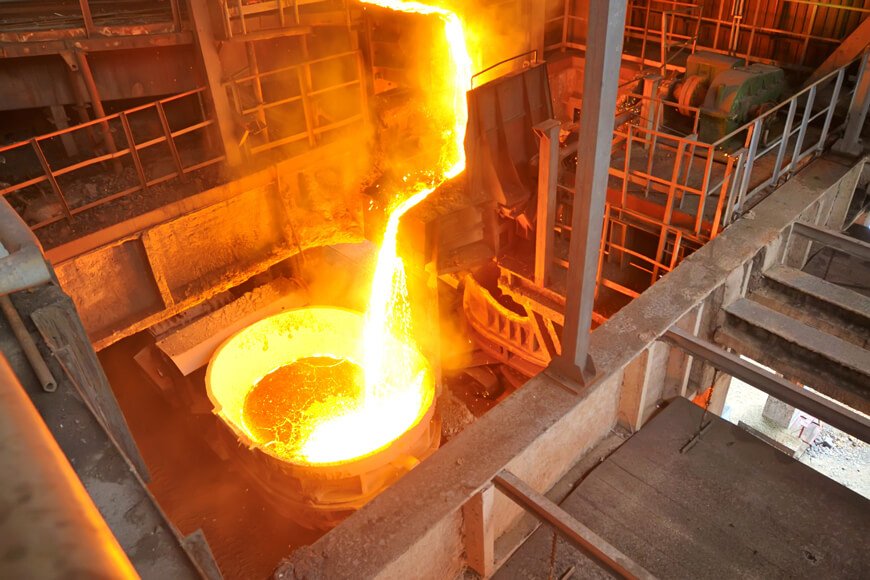
Current advancements in 3D printing technology are changing mold and mildew design and construction in the Casting Foundry sector. Additionally, the introduction of lasting products is enhancing the environmental footprint of manufacturing procedures. Accuracy mold and mildew engineering strategies further add to enhanced effectiveness and precision in the production of complicated parts.
3D Printing Technology Advancements
Traditional mold design and fabrication approaches have actually offered the Foundry sector for decades, developments in 3D printing innovation are reinventing these processes. By enabling the development of highly intricate geometries, 3D printing enables even more elaborate layouts that were cost-prohibitive or formerly difficult. This technology minimizes preparations substantially, as models and mold and mildews can be produced in a matter of hours instead than weeks (Casting Foundry). Furthermore, 3D printing helps with quick version, allowing designers to evaluate and modify layouts swiftly based on feedback. The ability to produce mold and mildews utilizing various materials enhances versatility and enables customized services for specific Casting applications. Subsequently, 3D printing innovation is improving the landscape of mold layout and construction in the Casting Foundry sector
Sustainable Material Innovations
The change toward lasting practices in the Casting Foundry market is gaining energy, with developments in material selection playing a critical duty. Foundries are progressively embracing environment-friendly products, such as bio-based resins and recycled steels, to decrease environmental impact. These sustainable materials not only reduce waste however additionally boost the general efficiency of the Casting process. Developments in mold and mildew style, such as using 3D printing technology for creating mold and mildews with less material, additional add to sustainability initiatives. Additionally, improvements in layer technologies permit reduced discharges during casting operations. By prioritizing lasting product technologies, the Casting Foundry sector is moving in the direction of a much more accountable future, lining up production exercise with ecological stewardship and source conservation.
Precision Mold And Mildew Design Techniques
As developments in technology remain to reshape the Casting Foundry market, precision mold design methods are emerging as vital elements in enhancing production high quality and efficiency. These innovative techniques take advantage of computer-aided design (CAD) and computer system numerical control (CNC) machining to create molds with exceptional precision. Techniques such as additive manufacturing enable complicated geometries that traditional techniques can not accomplish, considerably reducing preparations and material waste. In addition, the assimilation of simulation software helps in forecasting mold actions throughout spreading, enabling the optimization of styles before physical production. This aggressive method not only enhances the general yield yet likewise ensures that molds can be customized to fulfill particular application demands, leading the way for even more versatile and sophisticated Casting remedies.
Additive Production: A Game Changer for Casting
While typical Casting methods have long been the backbone of manufacturing, additive manufacturing is rapidly changing the landscape of casting foundries. This ingenious method, usually described as 3D printing, permits the creation of complex geometries that were formerly unattainable with traditional techniques. By making use of digital styles, factories can generate molds and cores with precision and speed, significantly reducing lead times and material waste.
Additive manufacturing also promotes the manufacturing of customized components, making it possible for makers to react promptly to certain customer demands, therefore boosting competitiveness. Additionally, the integration of additive processes right into Foundry operations can improve process, enhancing total performance. As the industry welcomes these developments, it is poised to redefine the future of casting, providing brand-new chances for imagination and adaptability. Additive manufacturing stands as a pivotal development, improving exactly how foundries come close to style and production in a quickly progressing market.
High Quality Control Techniques in Modern Foundries
Quality control strategies in contemporary factories are vital for guaranteeing that cast products fulfill rigid industry criteria and client specifications. These methods encompass a selection of methods, consisting of analytical procedure control (copyright), which checks production procedures to recognize and remove irregularity. Non-destructive screening (NDT) methods, such as ultrasonic testing and X-ray examination, are utilized to discover inner defects without damaging the product. Furthermore, the execution of computerized assessment systems enhances both accuracy and effectiveness, allowing for real-time high quality evaluations. Material traceability is another critical element, ensuring that each batch of basic materials can be tracked throughout the manufacturing process. Modern-day foundries significantly make use of computer-aided layout (CAD) and simulation software program to anticipate possible issues prior to spreading, facilitating proactive top quality management. By incorporating these advanced quality control techniques, factories can significantly decrease waste, improve product reliability, and keep competitive advantage out there.
The Future of Spreading: Forecasts and patterns
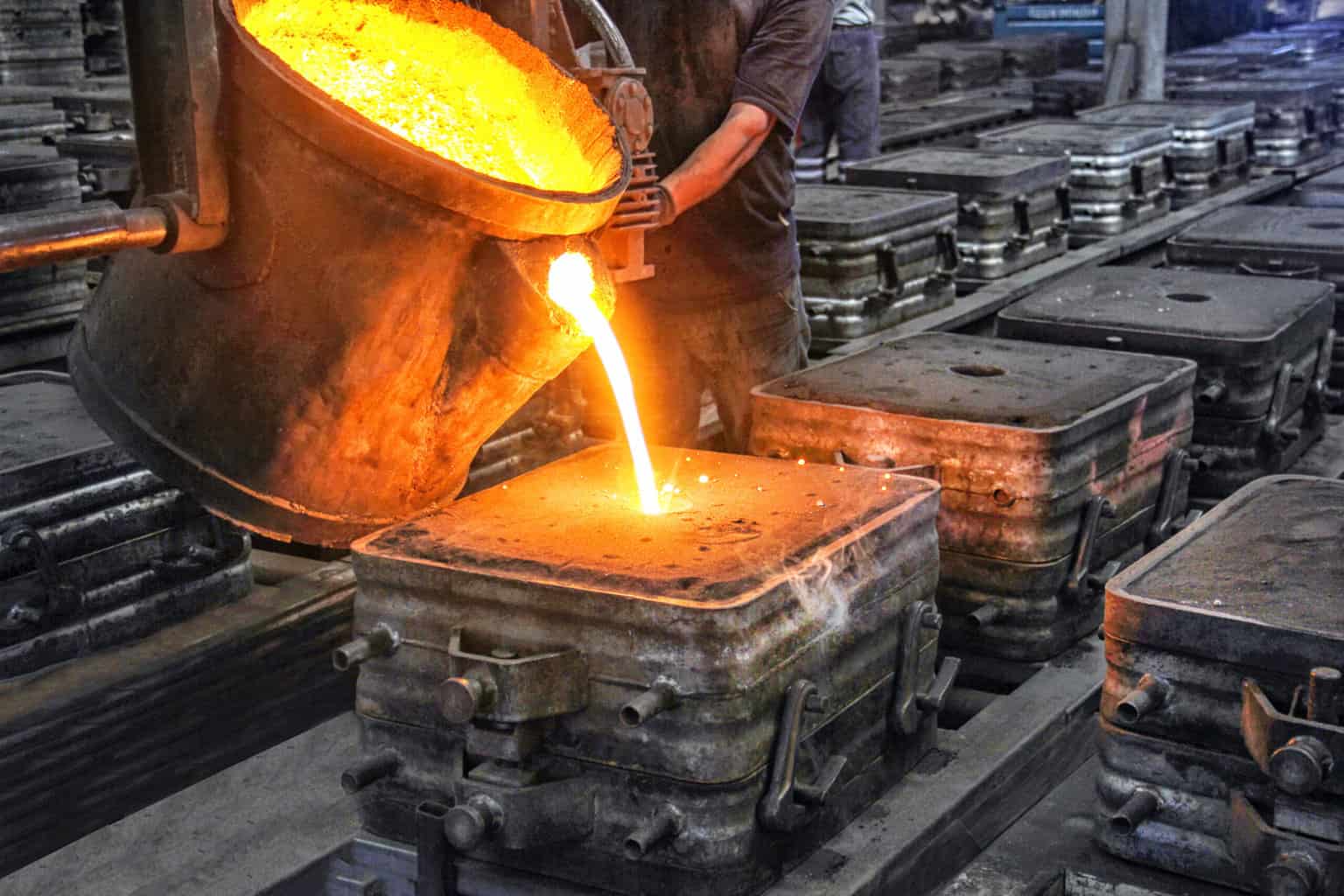
The trend toward lasting techniques is getting energy, with factories significantly taking on environmentally friendly materials and processes. This shift not only addresses ecological issues yet likewise aligns with consumer need for greener products.
In addition, the surge of additive production is anticipated to reinvent conventional Casting methods, permitting extra intricate styles and decreased material waste.
As these trends materialize, the Casting sector is likely to experience significant changes in manufacturing strategies, market demands, and labor force demands. Companies that embrace these adjustments will certainly be well-positioned to grow in a significantly competitive landscape.
Often Asked Inquiries
What Are the Common Sorts Of Casting Processes Utilized Today?
The usual kinds of casting procedures made use of today include sand spreading, investment spreading, pass away casting, and centrifugal spreading. Each technique varies in material, intricacy, and application, accommodating diverse industrial and production requirements.
Just How Does Casting Contrast to Other Production Methods?
Casting, contrasted to other manufacturing approaches, uses advantages like complex form creation and product effectiveness. Casting Foundry Nevertheless, it might entail much longer lead times and higher preliminary expenses, making it much less suitable for quick production compared to methods like machining.
What Industries Primarily Rely on Casting Foundries?
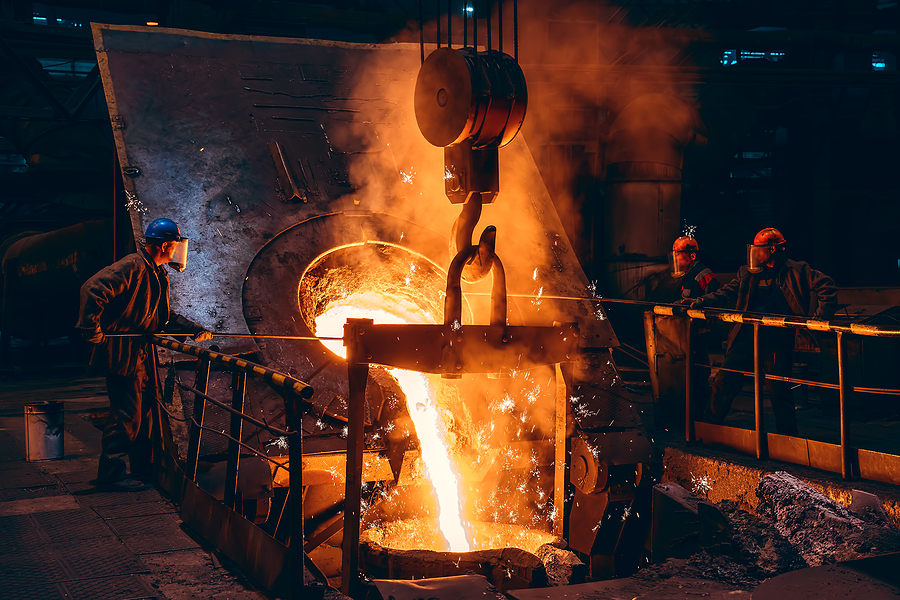
Industries such as vehicle, construction, equipment, and aerospace greatly count on casting shops. These sectors utilize casting for producing complex metal elements, guaranteeing durability and precision in their items, which are important for operational effectiveness.
What Are the Normal Precaution in Casting Foundries?
Common precaution in casting shops consist of personal safety tools, correct ventilation, normal devices maintenance, security training, and emergency feedback protocols. These methods assist reduce dangers connected with heats, toxic products, and hefty machinery procedures.
How Can I Beginning a Profession in Casting Foundry Procedures?
To begin an occupation in casting Foundry procedures, one should seek pertinent education and learning, look for instructions, gain hands-on experience, and familiarize themselves with security protocols and machinery used in the Foundry sector to enhance employability.
Current improvements in 3D printing innovation are transforming mold layout and manufacture in the Casting Foundry sector. The shift towards lasting practices in the Casting Foundry industry is obtaining momentum, with developments in product choice playing a pivotal duty. As improvements in innovation continue to improve the Casting Foundry industry, accuracy mold engineering techniques are emerging as crucial components in enhancing production top quality and performance. While typical Casting techniques have actually long been the backbone of production, additive manufacturing is quickly transforming the landscape of casting shops. Modern factories progressively use computer-aided style (CAD) and simulation software program to predict possible issues prior to casting, facilitating aggressive high quality monitoring.